


Liberty'Nages Rosé
French wine | Rosé | NM
Michel Gassier, a fourth-generation winemaker at Château de Nages, is dedicated to premium organic viticulture in the Rhône Valley. Together with his daughter Isabel, they practice regenerative agriculture to produce pure, fresh wines. This eco-friendly, quality-focused approach yields rosés with delicate aromas and a refreshing crispness.


How to best appreciate this wine?
Food and wine pairing suggestions
Serving suggestions
Serve at 10° to 12°C
Aging potential
Ready to drink
Our opinion on the cuvée
Discover wines from the same estate


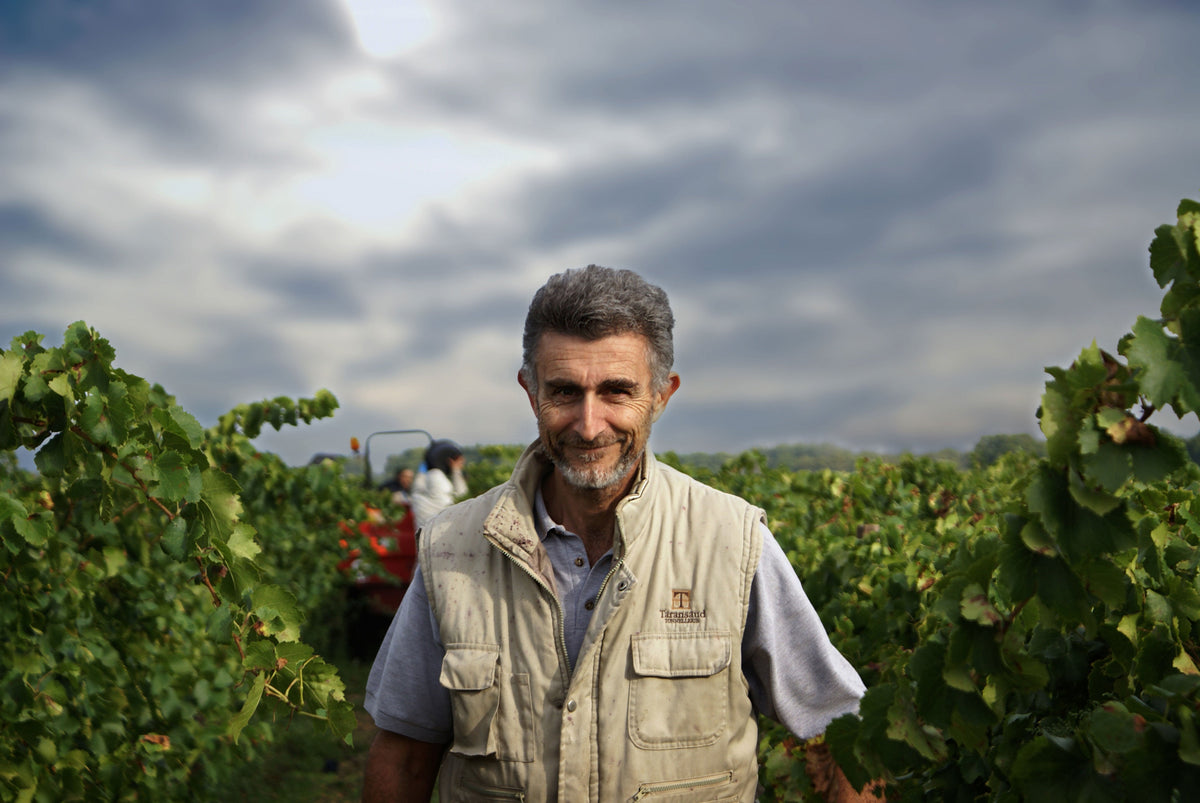
Château de Nages - Famille Gassier
Located in the southern Rhône Valley, Château de Nages, managed by the Gassier Family, is situated on the Costières de Nîmes terroirs. The estate is run by Michel Gassier, the fourth family generation, who took over full-time management in the early 1990s.
The vineyard has been managed organically for many years, with a focus on soil preservation, vine balance, and consistent ripeness. The plots lie on terroirs of rolled pebbles and deep soils, characteristic of the area, favoring structured yet balanced wines.
In recent years, the estate has been gradually shifting toward regenerative farming practices, with the aim of improving soil fertility and biodiversity. This approach is based in particular on minimizing tillage, establishing cover crops, diversifying crops, and ... Read more
Why choose Les Grappes

Over 400 winemaker cuvées

Fast and efficient logistics.

Personalized support.


