
MAISON PIRON
Dominique Piron’s family has been based in Villié-Morgon for 14 generations. Understanding their wines begins, above all, with an understanding of their family and terroir, so they will tell you... Anecdotes from the estate: Gamay originally came from a cross between Pinot Noir and Gouais Blanc, a Croatian grape variety…
2 products


In stock

In stock
MAISON PIRON
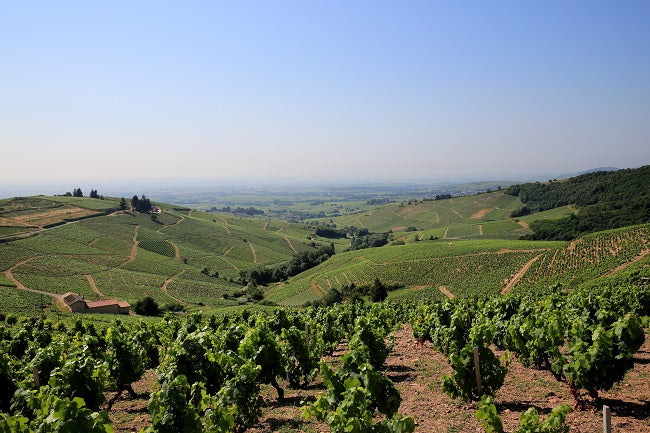
Dominique Piron’s family has been based in Villié-Morgon for 14 generations. Understanding their wines begins first and foremost with an understanding of their family and terroir, so they will share with you... Anecdotes from the estate: Gamay originally stems from a cross between Pinot Noir and Gouais Blanc, a Croatian grape variety imported by the Huns in the 4th century. Gamay is a delicate grape variety, sensitive to its environment. We can therefore work with this fabulous variety depending on the terroir where it is grown. Between weather conditions and the winemaker’s touch, it is possible to shape the characteristics of the vine, the grape, and the wine. A brief history of the estate Maison Piron has been a family-run business for 14 generations. Dominique Piron’s ancestor was born in 1590 in Morgon, during the reign of Henry III. There, he produced and sold Gamay. The estate has weathered the ages; over time, river transport gave way to land transport. In 1723, the estate shipped its first vintages to Paris. Today, the wines are also shipped by air, but while the mode of transport has changed, the vineyards and those who tend them remain part of the same family. Recently, the estate added a beautiful chapter to its history by partnering with a winemaker, Julien Revillon, who previously worked with Jean-Luc Colombo in the Rhône Valley. A blend of knowledge, terroirs, and stories that promises to delight us! The estate’s pride Dominique Piron’s family has been based in Villié-Morgon for 14 generations. Understanding their wines begins first and foremost with an understanding of their family and terroir, so they will tell you their story... Here, winemaking is all about tradition! Eager to constantly adapt to the environment, Maison Piron preserves the most elegant finesse, the finest tannins, and purity in its wines. By design, given that a large proportion of their vineyards can only be worked by hand, they seek to nurture their vines using every possible natural method—for example, by planting grasses, flowers, shrubs, and other plants and trees native to the local flora.


