


Roquerousse Rouge 2024
Hills of Aix-en-Provence | Red | 2024
Château de Calavon, located in the heart of the Coteaux d’Aix-en-Provence appellation, perpetuates a century-old winemaking tradition within a unique terroir characterized by fine sands, robust clays, and a subtle presence of limestone pebbles. The 5th generation of the same family has undertaken significant efforts to achieve excellence.


How to best appreciate this wine?
Food and wine pairing suggestions
Serving suggestions
Serve at 12° to 14°C
Aging potential
Ready to drink
Our opinion on the cuvée
Discover wines from the same estate


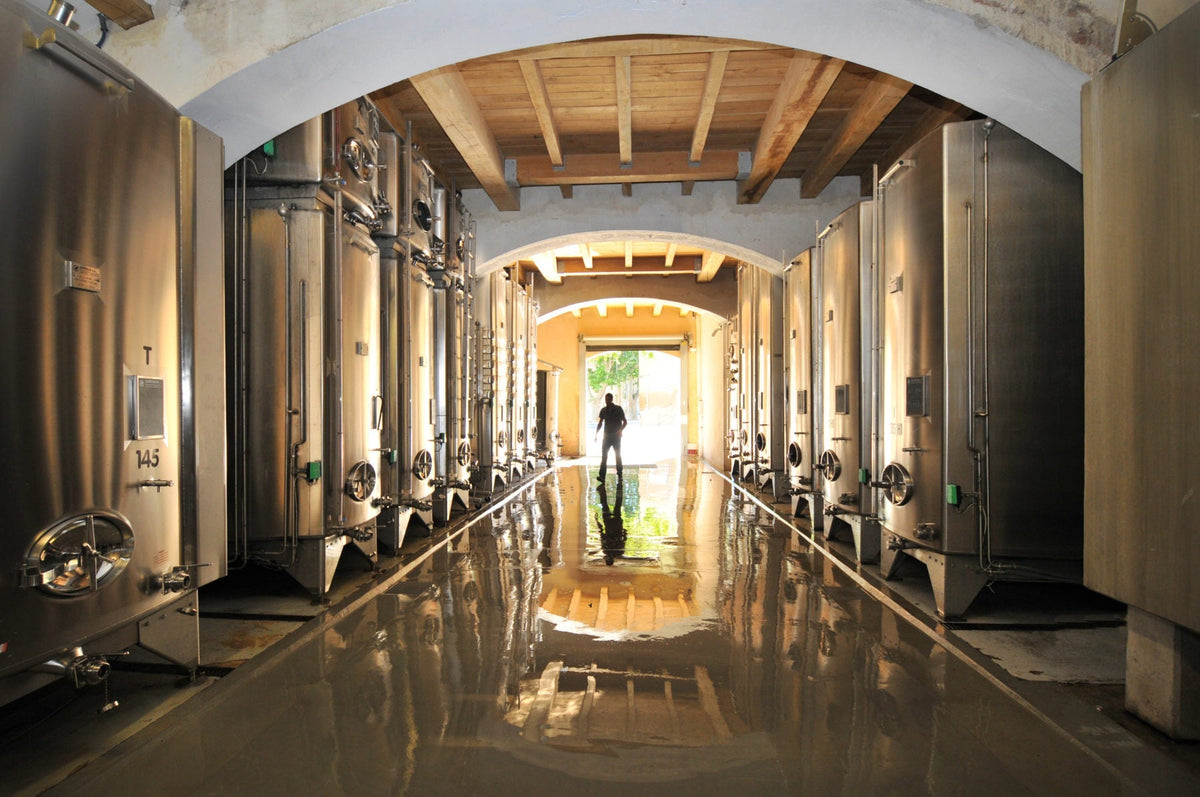
Château de Calavon
In Lambesc, in the heart of the Coteaux d'Aix-en-Provence, Château de Calavon is one of the region’s oldest estates—owned by the same family for five generations, with a vineyard planted on land with exceptionally rich crémade (red clay) soils. Between Marseille and Arles, the mistral moderates the Mediterranean climate and contributes to a naturally precise balance.
On 78 hectares, Arnauld Mas produces rich, deep, and elegant wines with excellent aging potential. The estate, which underwent modernization between 1998 and 2017 to refine its winemaking practices, also produces gourmet olive oils from its olive grove. The vineyard plots are designed to thrive year-round—with winter blooms and year-round biodiversity—as part of a vibrant and sustainable approach to viticulture.
Why choose Les Grappes

Over 400 winemaker cuvées

Fast and efficient logistics.

Personalized support.


