
Loire Region
Everything You Need to Know About the Loire Valley The Loire Valley is one of the largest and most diverse wine-growing regions in France. It stretches from the Nantes area to the Centre-Loire region and offers a wide variety of wines: dry or sweet whites, light to full-bodied reds, rosés, and other wines…
52 products


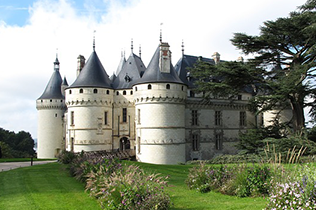
Loire Region
Everything You Need to Know About the Loire Valley Region
The Loire Valley is one of France’s largest and most diverse wine-growing regions. It stretches from the Nantes area to the Centre-Loire region and offers a wide variety of wines: dry or sweet whites, light to full-bodied reds, rosés, and sparkling wines. This diversity is directly linked to the variety of soils, climates, and grape varieties found along the river.
A wine-growing region with diverse terroirs
The vineyards of the Loire region are situated on soils that vary greatly from one area to another.
In the Nantes region, the soils consist mainly of ancient rocks such as granite, gneiss, and schist. In Anjou, the soils are mostly composed of schist, slate, and sandstone. Further east, in Touraine and the Centre-Loire region, the soils become more calcareous, with mixtures of tuffeau, clay, and sand.
The climate also varies: there is an oceanic influence in the west, while the climate is more continental in Touraine and the Centre-Loire region. These differences account for the wide variety of wine styles produced in the region.
A Vineyard Structured into Several Zones
The Loire Valley wine region is generally divided into four main areas:
-
The Nantes region, known for its dry, crisp white wines, particularly those from the Muscadet area
-
The Anjou and Saumur regions, which produce white, red, rosé, and sparkling wines
-
Touraine, with a wide variety of appellations and styles
-
The Centre-Loire region, renowned for its expressive and mineral-driven white wines
Each region has its own appellations and distinctive characteristics, contributing to the overall richness of the Loire Valley wine region.
Grape Varieties and Appellations
The Loire is a region with a wide variety of grape varieties.
For reds and rosés, the most common grape varieties are Cabernet Franc, Gamay, and Pinot Noir.
For whites, the main varieties are Chenin Blanc, Sauvignon Blanc, and Melon de Bourgogne.
The region is home to numerous appellations, including Muscadet, Anjou, Saumur, Chinon, Bourgueil, Vouvray, Sancerre, and Pouilly-Fumé. This diversity means there are wines to suit a wide range of occasions and tasting preferences.
Food and Wine Pairings from the Loire Valley
Dry white wines from the Loire pair well with fish, seafood, and goat cheese.
The reds, which are often smooth and low in tannins, go well with cold cuts, white meats, or certain stews.
Rosés and sparkling wines are ideal as aperitifs or with lighter meals.
Wineries in the Loire Valley to explore
This selection highlights several areas that exemplify the region's diversity and styles:
These categories offer a simple and practical way to explore Loire wines, featuring selections that are perfect for both new explorers and regular tasters.


