
Burgundy Region
Everything You Need to Know About the Burgundy Region Burgundy is a major wine-producing region in France, renowned for the precision of its wines and the diversity of its appellations. Burgundian winemakers work with distinct terroirs, where the soil and climate play a central role in shaping the style of the wines. Taste a wine from…
62 products


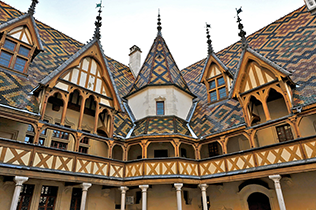
Burgundy Region
Discover everything about the Burgundy region
Burgundy is a major wine region in France, renowned for the precision of its wines and the diversity of its appellations. Burgundian winemakers cultivate highly distinctive terroirs, where soil and climate play a central role in shaping the wine styles. To taste a Burgundy wine is to discover a region where each production zone possesses its own unique characteristics.
A Historic Wine Region
Viticulture has been present in Burgundy since Antiquity. It developed over centuries, driven by monks and later by the Dukes of Burgundy. Today, it is the winemakers who ensure the continuity of this vineyard and contribute to its reputation both in France and internationally.
Burgundy boasts 84 Appellations d'Origine Contrôlée (AOC), making it one of the most diverse wine regions.
A Vineyard Structured into Several Zones
The Burgundy vineyard extends from the north of Chablis to the south of the Mâconnais, covering approximately 29,500 hectares. It is generally divided into several major zones:
-
The Yonne vineyard, renowned for its dry and mineral white wines
-
The Côte d'Or, which encompasses the Côte de Nuits and the Côte de Beaune, home to numerous recognized appellations
-
The Côte Chalonnaise and the Mâconnais, more accessible zones offering a wide selection of quality wines
Appellations and Grape Varieties
Burgundy's production primarily consists of white wines, followed by red and rosé wines, and then Crémants. The vineyard is structured around three appellation levels: regional, village, and Grand Cru.
Burgundy is a single-varietal region. The primary grape varieties are Chardonnay for white wines and Pinot Noir for red wines. Other grape varieties like Aligoté or Gamay are also present, depending on the area.
Burgundy Food and Wine Pairings
Burgundy white wines pair well with fish, seafood, white meats, and certain cheeses. Red wines, generally low in tannins, are best served with red meats, stews, or melted cheeses. Crémants de Bourgogne can be enjoyed as an aperitif or with simple desserts.
Burgundy Estates to Explore
This selection showcases several estates representative of the Burgundy vineyard, each with its own style and approach:
These estates allow for the exploration of various Burgundy wine profiles, suitable for both discovery and more regular tasting.


