
South-West Region
Everything You Need to Know About the Southwest Region The Southwest is a vast wine-growing region located between Occitanie and Nouvelle-Aquitaine. Although it has long remained in the shadow of Bordeaux, it is distinguished by a wide variety of terroirs, climates, and grape varieties. The region produces red, white, and rosé wines, as well as sweet wines and…


South-West Region
Everything You Need to Know About the Southwest Region
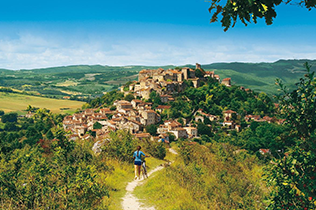
The Southwest is a vast wine-growing region located between Occitanie and Nouvelle-Aquitaine. Although it has long remained in the shadow of Bordeaux, it stands out for its great diversity of terroirs, climates, and grape varieties. The region produces red, white, and rosé wines, as well as sweet and sparkling wines, which are often recognized for their excellent value and versatility at the table.
A historic wine-growing region
Vines have been cultivated in the Southwest since Roman times, long before the development of the Bordeaux wine region. In the Middle Ages, the region was known as the Haut-Pays. Wines were transported via the Garonne and Dordogne rivers for export, often earlier than those from Bordeaux, which led to the establishment of the “wine police,” which restricted their sale.
Today, the Southwest is experiencing a resurgence of interest, driven by a focus on its local grape varieties and a more quality-oriented approach to viticulture.
A vast and diverse vineyard
The Southwest wine region spans 13 departments, from Aveyron to the Basque Country. It is the fourth-largest wine-growing region in France.
The soils are highly varied: molasse, alluvial soils, limestone plateaus, fawn-colored sands, and Pyrenean flysch. This geological diversity gives rise to very different styles of wine depending on the area.
Climates also vary:
-
northeastern continental
-
temperate oceanic climate in the west
-
Mediterranean to the south
A region divided into several subzones
The Southwest is generally divided into two major regions:
The Haut-Pays
Located around the valleys of the Garonne, Dordogne, Lot, and Tarn rivers, it includes, among other things:
-
Bergerac and its many appellations (Bergerac, Côtes de Bergerac, Monbazillac, Montravel, etc.)
-
Cahors, Gaillac, Marcillac, Côtes de Millau
-
Côtes du Marmandais, Coteaux du Quercy
The Pyrenean Piedmont
It includes the vineyards further south:
-
Jurançon and Pacherenc du Vic-Bilh
-
Saint-Mont, Tursan, Béarn, Irouléguy
-
Wines of Gascony, notably including Floc de Gascogne
These regions produce red, white, and rosé wines, as well as sweet and sparkling wines.
Grape Varieties and Wine Styles
The Southwest is one of the French regions with the greatest variety of native grape varieties.
Among the best known are:
-
Malbec, Tannat, Fer Servadou, and Négrette for the reds
-
Petit Manseng, Gros Manseng, Colombard, Sémillon, and Loin-de-l’Œil for the white wines
Red wines are often full-bodied; white wines can be dry or sweet; and rosé wines are produced in most appellations.
Food and Wine Pairings from the Southwest
Red wines from the Southwest pair well with hearty meats such as Aubrac beef or duck breast.
Dry white wines pair well with mushrooms, Bayonne ham, or fish.
Sweet and semi-sweet wines pair well with cheeses or certain sweet-and-savory dishes.
Rosé wines are ideal for simple, summery dishes.
Wineries in the Southwest Worth Exploring
This selection highlights wineries that exemplify the diversity and revitalization of the Southwest's wine region:
These vineyards offer a chance to discover the wines of southwestern France through both approachable vintages and more distinctive expressions, all of which remain closely tied to their terroir.


